

No review found!
A Journey through Hell and Beyond with The Divine Comedy: The Inferno – Unveiling the Depths of Sin, Redemption, and Human Nature

Present in my shop now!

The Divine Comedy: The Inferno, The Purgatorio, and The Paradiso by Dante Alighieri
The Divine Comedy: The Inferno by Dante Alighieri introduction
Hey fellow bookworms! I just finished diving into the depths of Dante Alighieri’s “The Divine Comedy: The Inferno,” and let me tell you, it was an absolute rollercoaster of emotions and intellect! 📚✨
From the very first page, I was swept away into a vividly imagined world where Dante takes us on a journey through Hell, guided by the legendary poet Virgil. The imagery painted by Alighieri is nothing short of breathtaking. Each circle of Hell is meticulously crafted, filled with intricate details and allegorical significance that kept me turning page after page, eager to uncover more.
But it’s not just the stunning imagery that makes “The Inferno” so captivating. Alighieri’s exploration of sin, morality, and the human condition is as relevant today as it was when it was first penned centuries ago. His keen observations on human nature and the consequences of our actions left me pondering long after I turned the final page.

And let’s talk about the characters! From the tormented souls writhing in anguish to the imposing figures of historical and mythological significance, each character feels incredibly real and adds layers of depth to the narrative. I found myself empathizing with some, despising others, and constantly marveling at Alighieri’s ability to breathe life into his creations.
One of the aspects that truly stood out to me was Alighieri’s use of symbolism and allegory. Every detail, from the placement of sinners to the punishments they endure, is rich with meaning and invites readers to delve deeper into the text, uncovering hidden truths and insights along the way. It’s the kind of book that rewards multiple readings, as each time, you discover something new to ponder.

Language Style:
Dante Alighieri’s language style in “The Divine Comedy: The Inferno” is akin to a symphony of words, a testament to his unparalleled mastery of the Italian language. With each carefully crafted sentence, he weaves a tapestry of imagery and emotion that transports readers to the depths of Hell and beyond. His use of rhythm and meter creates a cadence that resonates with the soul, whether one reads in the original Italian or in translation. Even across centuries, the beauty and power of Alighieri’s words remain undiminished, making “The Inferno” a timeless masterpiece cherished by language enthusiasts and casual readers alike.
Story, Settings, and Dialogue:
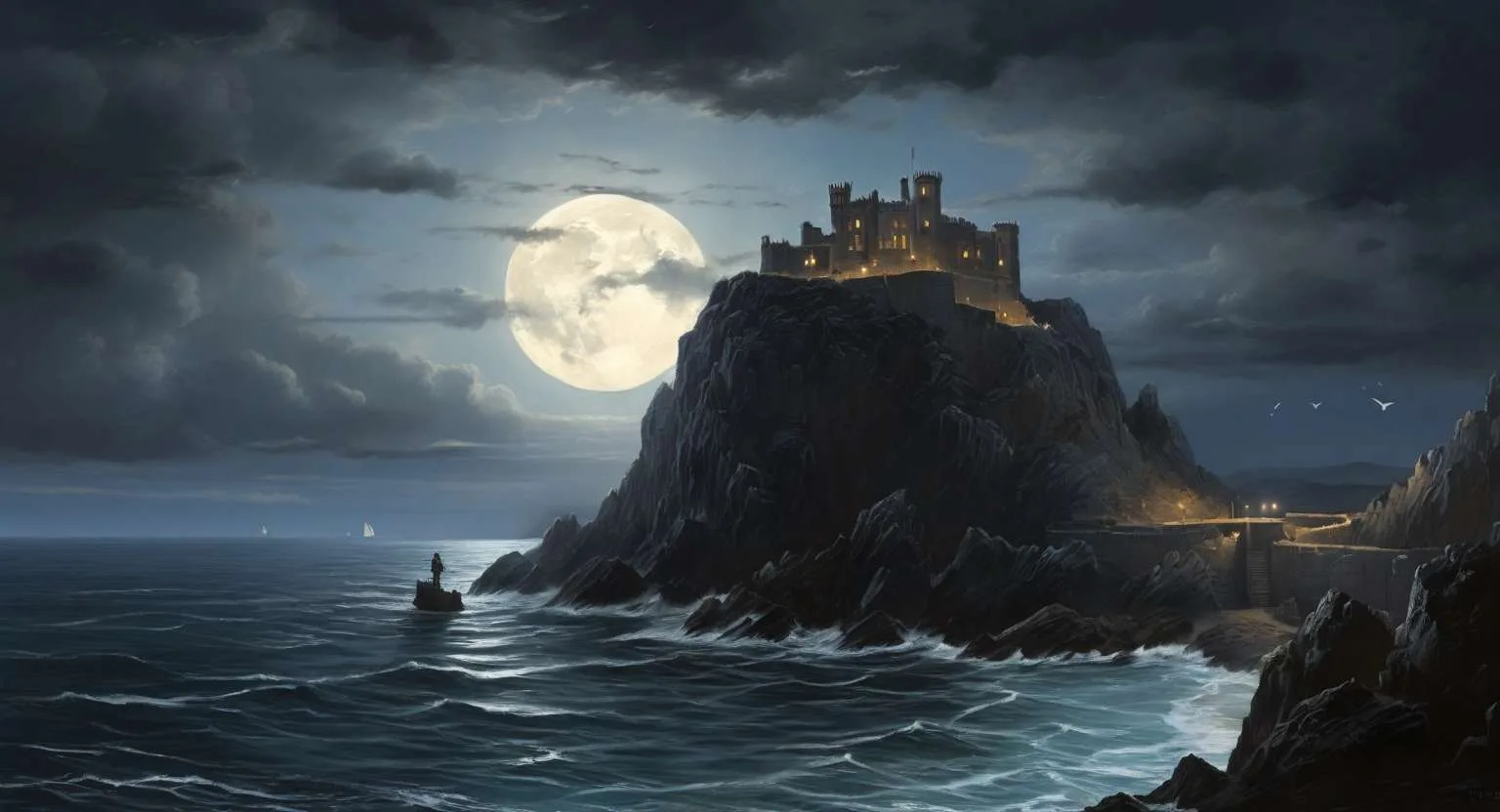
“The Inferno” unfolds like a dark and twisted odyssey, as Dante embarks on a harrowing journey through the nine circles of Hell. Each circle is meticulously detailed, with Alighieri’s vivid descriptions painting a haunting portrait of damnation. From the fiery depths of the Inferno to the frozen wasteland of Cocytus, the settings are as diverse as they are unsettling. Amidst this infernal landscape, the dialogue between Dante and his guide, Virgil, serves as a beacon of enlightenment. Their conversations delve into the nature of sin, redemption, and the human condition, challenging readers to confront their own moral beliefs and existential questions.

Characters:
The characters in “The Inferno” are a tapestry of sin and salvation, each one meticulously crafted to embody the consequences of their actions. From the tragic lovers Francesca da Rimini and Paolo Malatesta to the iconic figures of history like Cleopatra and Julius Caesar, Alighieri populates Hell with a diverse cast of souls. Yet it is Dante himself who undergoes the most profound transformation, evolving from a lost and disillusioned wanderer to a beacon of hope and redemption. His journey serves as a powerful reminder of the human capacity for growth and self-discovery.
Pacing:
Alighieri’s pacing in “The Inferno” is nothing short of masterful, drawing readers deeper into the narrative with each passing circle. The gradual descent through Hell creates a sense of urgency and momentum, propelling the story forward towards its inevitable conclusion. Yet amidst the relentless march towards damnation, there are moments of quiet reflection and contemplation. These pauses allow readers to catch their breath and ponder the deeper implications of Dante’s journey, adding depth and nuance to the overall narrative arc.

Tone/Mood:
The tone of “The Inferno” is dark and foreboding, mirroring the grim reality of Hell itself. Alighieri spares no detail in depicting the horrors of damnation, from the agonizing screams of the damned to the oppressive weight of eternal suffering. Yet amidst the darkness, there are moments of beauty and redemption that shine like beacons of light in the abyss. These moments serve as reminders of the resilience of the human spirit, offering hope amidst the despair.
Point of View:
“The Inferno” is told from the perspective of Dante himself, allowing readers to experience his journey through Hell firsthand. This intimate point of view draws readers into Dante’s innermost thoughts and emotions, forging a deep and profound connection. As readers bear witness to Dante’s struggles and triumphs, they cannot help but empathize with his plight, making his journey all the more impactful and unforgettable.

Symbolism/Imagery:
Symbolism and imagery are at the heart of “The Inferno,” enriching the narrative with layers of meaning and metaphor. Each circle of Hell serves as a potent symbol of a different sin and its corresponding punishment, inviting readers to contemplate the deeper implications of Dante’s journey. Alighieri’s use of vivid imagery creates a sensory experience that lingers long after the final page is turned, leaving an indelible mark on the reader’s psyche.
Character Relationships:
The relationships between characters in “The Inferno” are as complex and multifaceted as the sins they represent. Dante’s interactions with Virgil, Beatrice, and the various sinners he encounters along the way shape his journey and contribute to his growth as a character. These relationships serve as mirrors, reflecting different aspects of Dante’s own psyche and morality, challenging him to confront his own shortcomings and biases.

Emotional Impact:
“The Inferno” evokes a wide range of emotions in readers, from heart-wrenching despair to stirring moments of redemption. Alighieri’s evocative prose tugs at the heartstrings, eliciting a visceral response that lingers long after the final page is turned. Whether it’s the anguish of the damned or the triumph of the righteous, the emotional impact of “The Inferno” is undeniable, leaving readers profoundly moved and forever changed.
Originality/Creativity:
Dante Alighieri’s vision of Hell in “The Inferno” is a testament to his unparalleled creativity and imagination. His depiction of damnation and punishment is both original and inventive, drawing inspiration from a rich tapestry of religious and mythological sources. Over the centuries, “The Inferno” has inspired countless adaptations and interpretations, cementing its place as one of the most iconic works of literature in history.

Relevance/Themes:
Despite being written over 700 years ago, the themes of “The Inferno” remain as relevant today as they were in Dante’s time. Alighieri’s exploration of sin, morality, and the human condition speaks to universal truths that resonate with readers of all ages and backgrounds. Whether grappling with issues of justice, redemption, or the nature of evil, the timeless nature of these themes ensures that “The Inferno” will continue to captivate and inspire audiences for generations to come.
Audience Appeal:
“The Divine Comedy: The Inferno” appeals to a wide range of readers, from literature enthusiasts and history buffs to those interested in philosophy, theology, and psychology. Its rich language, compelling characters, and profound themes make it a must-read for anyone seeking a thought-provoking and immersive literary experience. Whether you’re a seasoned reader or new to classic literature, “The Inferno” is sure to leave a lasting impression, challenging and enlightening readers in equal measure.

Final report
Overall, “The Divine Comedy: The Inferno” is a masterpiece that deserves a place on every book lover’s shelf. It’s a timeless tale that transcends its medieval origins, offering readers a profound exploration of the human soul and the eternal struggle between good and evil.
In conclusion, “The Divine Comedy: The Inferno” stands as a timeless testament to the enduring power of literature to illuminate the human condition. Dante Alighieri’s magnum opus invites readers on a journey through the depths of Hell, guiding them through a landscape of sin and redemption with masterful prose and profound insight. As we traverse the nine circles alongside Dante, we are confronted with the darkest aspects of humanity, yet also reminded of the enduring capacity for hope and transformation.
Through its rich symbolism, vivid imagery, and timeless themes, “The Inferno” challenges us to confront our own inner demons and strive for greater understanding and empathy. It is a literary masterpiece that continues to captivate and inspire readers across the centuries, reminding us of the enduring power of storytelling to transcend time and space. So let us heed Dante’s call and embark on our own odyssey of self-discovery, for in the depths of Hell, we may yet find the keys to unlocking the mysteries of our own souls. 🌟📖
Final Score
My fantasy trilogy’s first book is currently available!
Don’t miss it!
THE KING OF LIGHT THE ORDER OF THE DARK GODS
A fearless crusader seeks out his girlfriend in pursuit of a land controlled by dark gods in this amazing fantasy tale.

Visit The King of Light’s official online store here!
Don’t miss it!
VISIT THE KING OF LIGHT’S OFFICIAL ONLINE STORE
There are several accessories, T-shirts, and other items available with artwork based on the fantasy saga The King of Light.


Federico Carro is an Italian author known for creating a series of fantasy novels titled, The King of Light, and its spin-off, The Knight of Light. His fantasy work has had several editions in English and has won several awards in the literary and cinematographic fields.